
Framing Contractor in Ottawa – Built on a Solid Structure
Interior Framing That Holds Up Your Whole Renovation
Why Homeowners Choose Our Framing Team in Ottawa
Code‑Compliant Framing
Framed to applicable codes and best practices so inspections go smoothly and the structure performs.
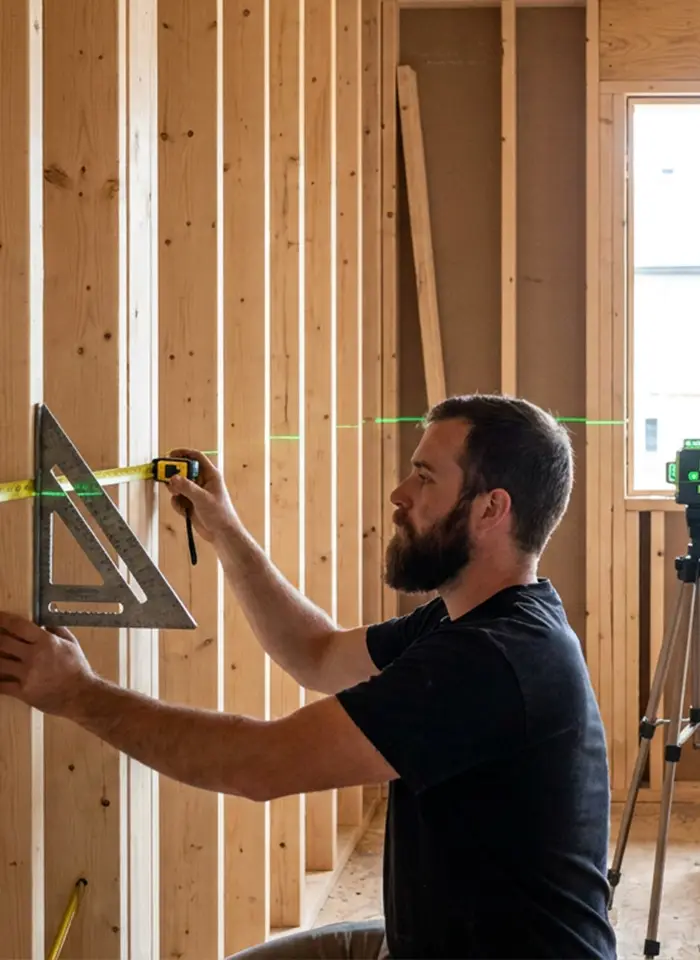
Laser‑Guided Layout
Layout is marked with laser tools for straight walls, square corners, and clean lines for drywall and cabinetry.
Renovation‑Ready Planning
We coordinate bulkheads, chases, and openings with plumbing, HVAC, and electrical so nothing feels “jammed in.”
Ottawa & Surrounding Areas
Ottawa, Kanata, Barrhaven, Orleans, Stittsville, Nepean, and nearby communities.
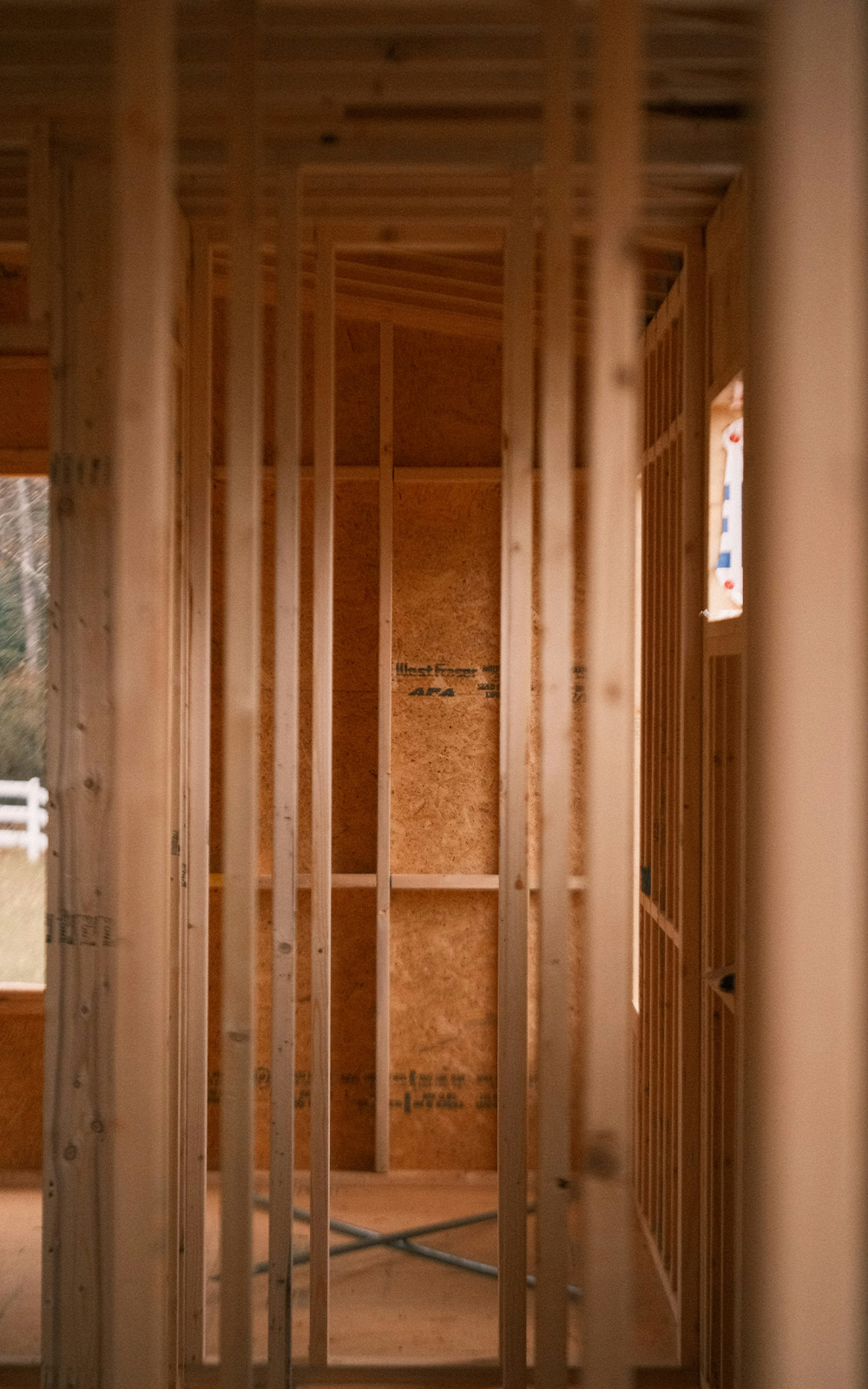
When the Structure Isn’t Right, Everything on Top Suffers
Crooked Walls, Bouncy Floors, Doors That Never Quite Close
Wavy walls, cracking drywall joints, and doors that bind are all signs that the framing behind them wasn’t planned or built properly. Undersized beams, out‑of‑plumb studs, and makeshift openings can leave you with bouncy floors, ceilings that don’t look quite flat, and finishes that are hard to install and even harder to keep looking good. Trying to fix these issues later with extra mud, shims, or trim only hides the symptoms for a while.
We start by reviewing your plans and removing any framing that needs to be re‑worked, then preparing clear load paths, accurate layout, and proper connections to the existing structure before we build and secure new walls, beams, and openings. That way, the structure is doing the heavy lifting instead of your drywall and trim trying to hide mistakes.
The payoff is simple: doors that swing smoothly, floors that feel solid, and finishes that install cleanly—without an ongoing cycle of cracks, nail pops, and callbacks.
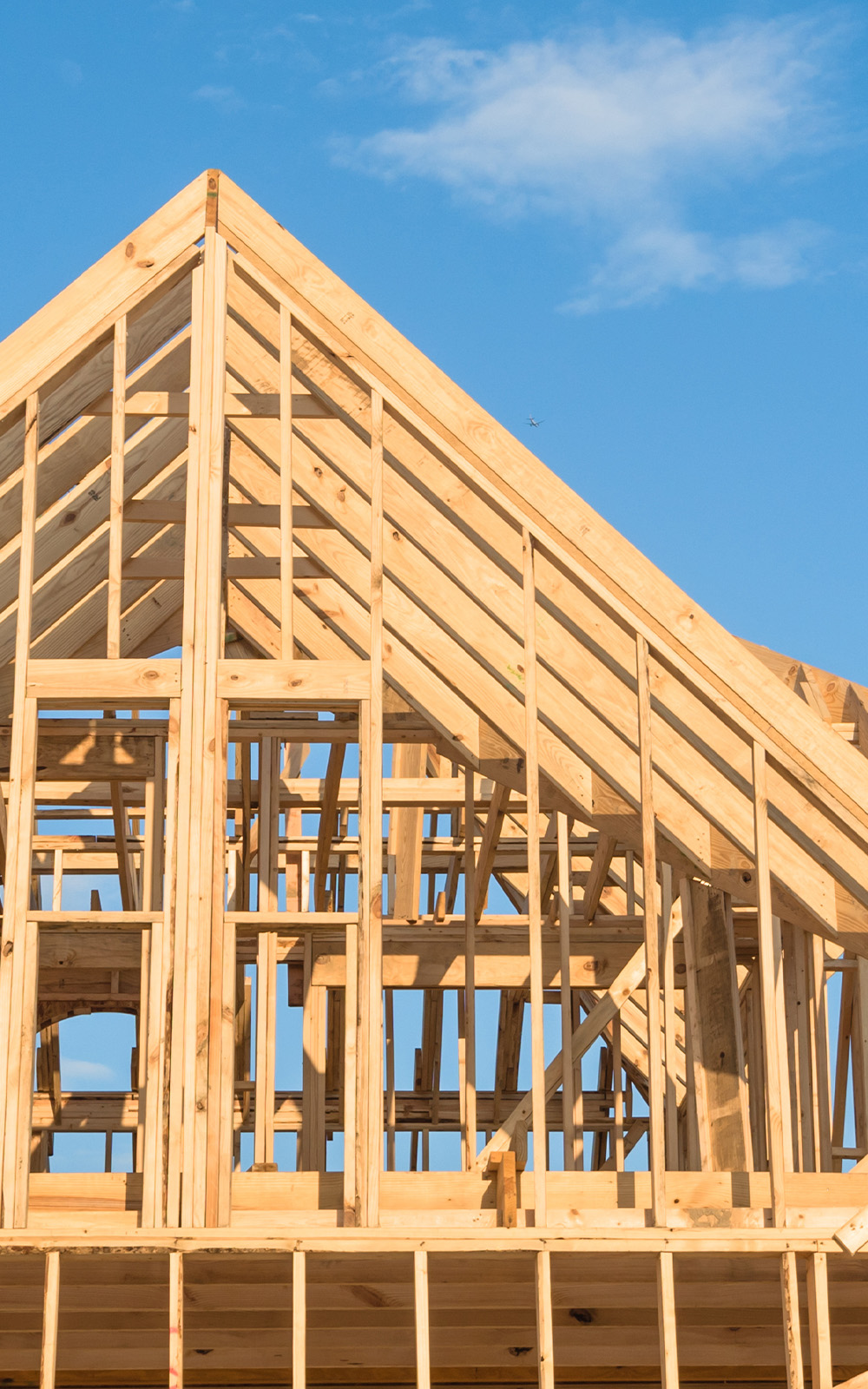
When Your Layout Changes, Your Framing Needs to Catch Up
A Strong Foundation Is Key To A Strong Home
Opening up rooms, adding a new bathroom, or finishing a basement changes how loads and services move through your home. If walls are moved without proper support, or bulkheads and chases are improvised around ducts and plumbing, you can end up with sagging ceilings, awkward soffits, and tight spots that limit how you use the space.
For renovations and basement framing in Ottawa, we remove the sections that no longer fit the plan, prepare new bearing points and pathways for ducts and plumbing, and install and secure new walls, beams, and headers that match the approved drawings. We plan framing around where cabinets, fixtures, and built‑ins will go so you are not opening finished walls later just to add blocking or resize an opening.
The result is a layout that feels intentional and future‑ready—rooms line up properly, bulkheads are where they should be, and you have the flexibility to install the finishes and fixtures you actually want, not just what will fit.
Types of Interior Framing Projects We Handle
We frame the structural “skeleton” behind a wide range of interior projects in Ottawa homes.
Basement Framing
New walls, soffits, and ceiling details that turn an unfinished basement into usable living space, framed to support insulation, air sealing, and future finishes.
Interior Re‑Configurations
Removing or moving walls, resizing openings, and adding closets or partitions to make existing space work better without a full addition.
Additions & Structural Changes
Tying new framing into existing structure, supporting new loads with LVLs and beams, and preparing for inspections and future exterior work.
90+
Interiors Worked On
15+
Years Experience
100%
Licensed & Insured
Not sure which category your project fits?
Whether you are finishing a basement, re‑working a main floor, or planning an addition, we can review your drawings and help you understand what framing is required.
More Interior Services We Offer in Ottawa
If you need additions made after your framing job consider combining it with some of our other services!
We coordinate framing work to ensure your structure is built accurately, supports your design, and aligns seamlessly with the rest of your renovation.
Structure First: Load Paths, Straight Lines, and Energy‑Ready Walls
We treat framing as the backbone of your renovation, not an afterthought.
Load Paths and Openings
Every wall, beam, and header has a job. We:
- Follow your approved structural drawings and engineering where required.
- Lay out walls, partitions, beams, and door and window openings with laser‑guided tools.
- Make sure new loads are transferred properly into the existing structure so nothing sags or twists over time.
This structural focus gives you straighter lines for tile, cabinetry, and trim, and helps your home pass inspections without surprises. For more on how structure and load paths work together, Ontario’s building code resources offer helpful background for homeowners.
Framing That Supports Comfort and Efficiency
Good framing also sets the stage for how comfortable and efficient your home can be. Straight, consistent framing and correctly sized cavities make it far easier to install continuous insulation and air barriers, especially in basements and exterior walls. That means fewer cold spots, fewer drafts, and a better foundation for high‑performance walls and ceilings when paired with the right insulation and air‑sealing details.
Service Areas We Work In
We've completed framing projects throughout the Ottawa area, including:
- Ottawa
- Gloucester
- Nepean
- Orleans
- Kanata
- Barrhaven
- Manotick
- Stittsville
- Rockland
- Arnprior
- Perth
- Greely
- Ottawa
- Gloucester
- Nepean
- Orleans
- Kanata
- Barrhaven
- Manotick
- Stittsville
- Rockland
- Arnprior
- Perth
- Greely
Materials, Performance & What Affects Framing Cost
Framing materials are chosen for strength, stability, and cost control—not just what is on the yard that day.
Lumber and Engineered Components
We commonly use:
- Spruce and Pine Studs and Plates – Standard, reliable framing lumber for walls, floors, and ceilings.
- Engineered Wood (LVL Beams and Headers) – Laminated veneer lumber for higher loads and longer spans, especially over wide openings or open‑concept areas.
- OSB Sheathing and Bracing – To tie assemblies together, add rigidity, and control racking in critical locations.
Material selection depends on spans, loads, and code requirements. We match components to what your project genuinely needs, not one‑size‑fits‑all shortcuts.
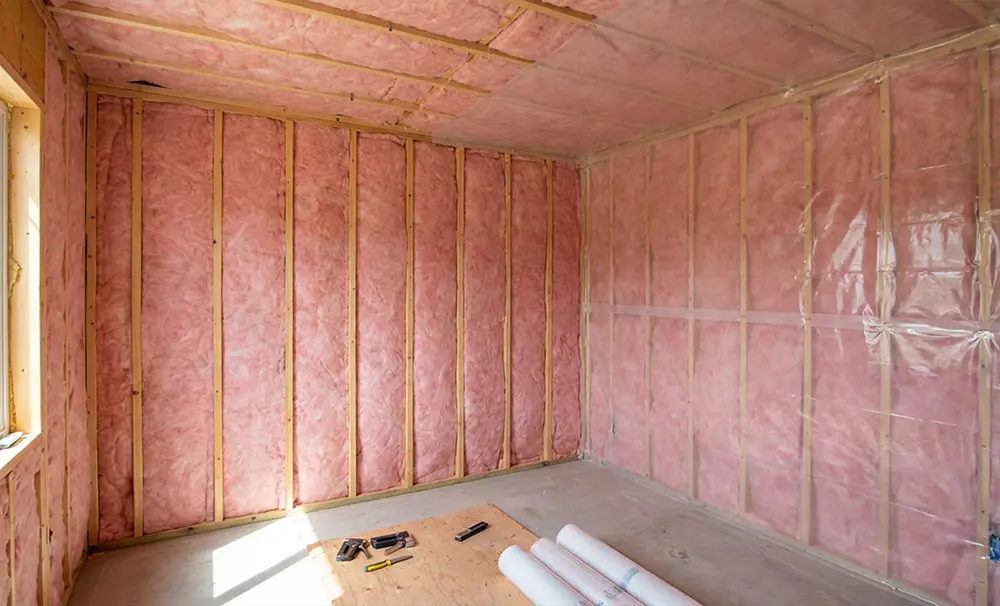
In basements and exterior walls this is especially important, because sloppy framing can create the kind of voids and cold spots that lead to condensation and comfort issues later. We frame with energy‑ready walls in mind, following building‑science‑informed details and drawing on resources like Natural Resources Canada.
Insulation‑Ready Walls and Vapour Barriers
Good insulation and air‑sealing only work if the framing behind them is straight, consistent, and detailed with the right cavities and transitions.
We frame insulation‑ready walls, joists, and bulkheads so your contractor (or our team, where we’re handling more of the interior) can install batts, rigid, or spray foam cleanly and keep vapour barriers continuous instead of fighting around odd gaps and twists.
That means:
- Stud spacing that actually matches insulation sizes.
- Room for proper batts and services without crushing insulation.
- Clear transitions at rim joists, dropped ceilings, and soffits so air and vapour control layers can connect.
- Thoughtful blocking and backing where poly, drywall, or sound‑control layers need solid support.
Our Framing Process: Plan, Prepare, Build
We follow a clear, predictable process so you know what is happening and why at each stage.
1. Plan – Layout and Coordination
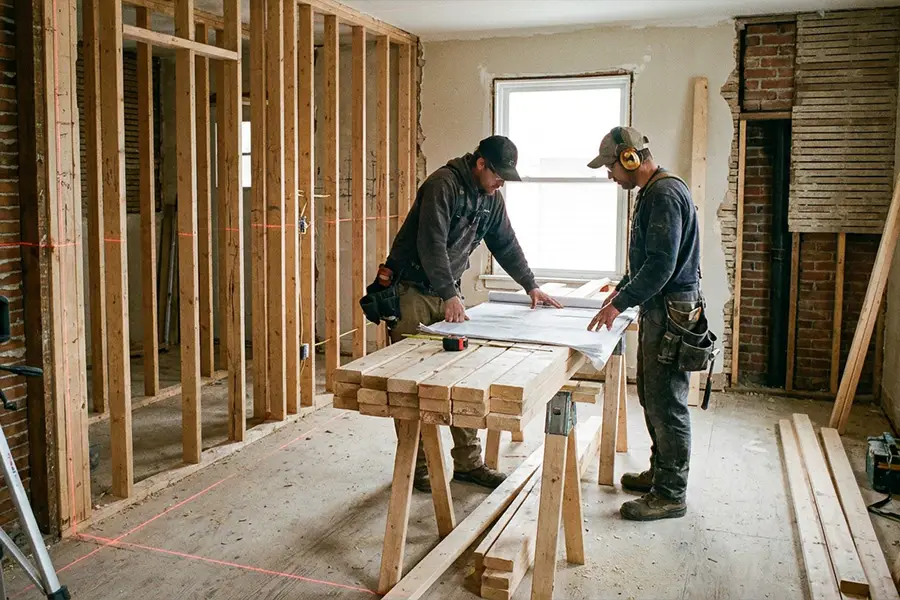
We start with your drawings, engineering notes, and a walkthrough of the space. Using laser‑guided layout tools, we:
- Mark wall lines, partitions, beams, and openings on the floor and existing structure.
- Coordinate door and window sizes, bulkheads, soffits, and chases for ducts, plumbing, and electrical.
- Confirm any areas that need extra reinforcement for heavy cabinets, countertops, or fixtures.
You see how the structure will support your layout before any major changes are locked in.
2. Prepare – Remove, Align, and Set Bearing Points
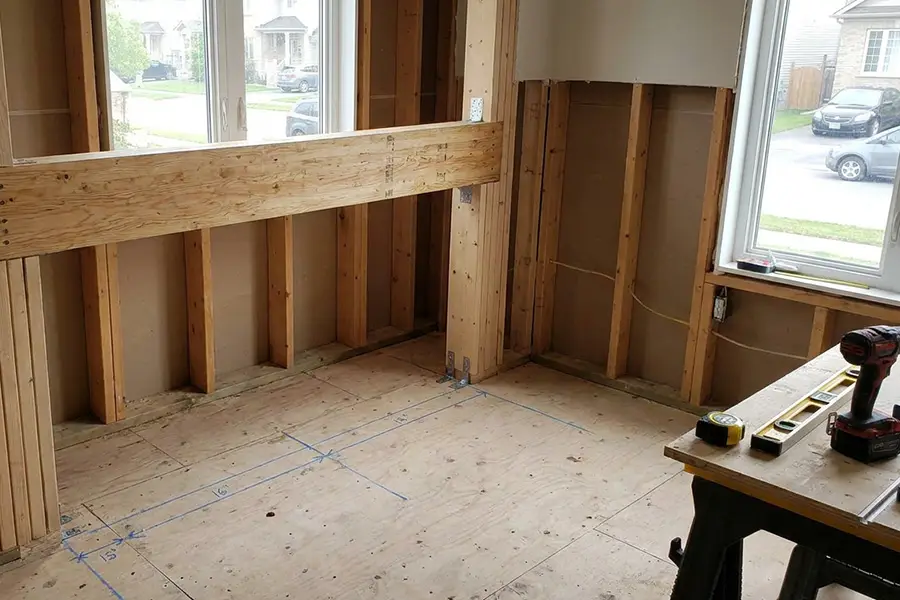
Next, we remove any framing or finishes that need to come out, then prepare the space by:
- Selecting the right mix of spruce, pine, LVLs, and OSB for each location.
- Setting clear bearing points and fastening schedules to control movement.
- Making sure new and existing framing lines are plumb, level, and square.
This is where we align new work with old structure and make sure everything is ready to safely install and secure the new framing.
3. Build – Walls, Floors, Ceilings, and Details
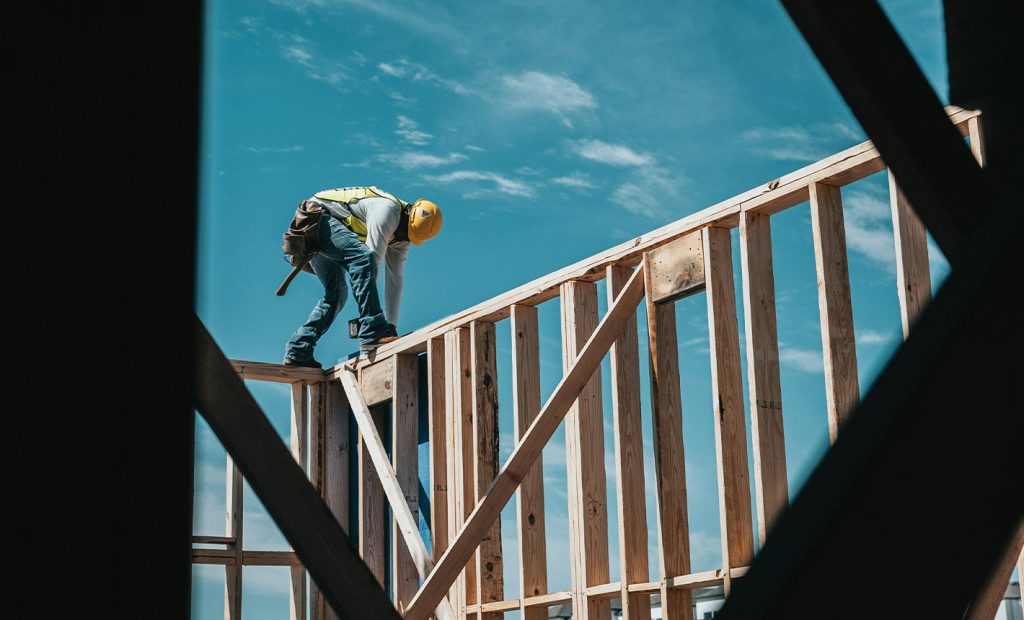
Finally, we build and secure:
- New walls, floor systems, and ceilings as shown on the plans.
- Openings for doors, windows, and ducts.
- Blocking and reinforcement for things like wall‑hung vanities, upper cabinets, stone tops, and built‑ins.
- Custom features such as niches or arched openings where specified.
We keep the site tidy, manage debris, and coordinate access with you and other trades. For most interior framing in Ottawa, basement projects and interior re‑configurations are measured in days, not weeks, but timing will depend on scope and inspections. We end with a walkthrough so you understand what has been done before insulation and drywall go in.
Cheaper Isn't Better
It can be tempting to save money by hiring the lowest framing bid or skipping engineering and proper detailing. Undersized framing, improvised openings, and sloppy layout often end up costing more when drywall cracks, doors stop closing, or inspectors flag issues. We would rather remove weak or non‑compliant framing, prepare clear load paths and proper connections, and install and secure a code‑compliant structure once than ask you to pay twice for the same wall.
Frequently Asked Questions About Framing in Ottawa
What types of projects require framing?
Framing is needed any time you are adding or changing structure—such as additions, basement finishes, new walls or partitions, bulkheads, or changing door and window openings. If you are moving walls or changing how loads are carried, proper framing is a critical step.
What materials do you use for framing?
We typically use spruce and pine lumber for standard walls, floors, and ceilings, along with engineered wood like LVL beams and headers for higher loads or wider spans. OSB sheathing is added where needed for structural bracing and to tie assemblies together. Materials are chosen based on structural needs, code requirements, and your design.
Do I need permits or engineering for framing changes in Ottawa?
Many structural framing changes do require permits, and load‑bearing changes often need engineered drawings. We can work with your designer or engineer and help you understand when the city needs to be involved so your framing is code‑compliant and ready for inspection.
How much does framing cost for a typical project?
Framing cost depends on scope, complexity, and materials. A straightforward basement framing job in an open space will cost less than a complex main‑floor re‑configuration with multiple beams and tie‑ins to existing structure. After reviewing your plans and site conditions, we provide a clear, written quote so you know what to expect.
How long does interior framing usually take?
Most interior framing projects take from a couple of days to a week or more, depending on size and complexity. Framing typically happens after demolition and before insulation, mechanical rough‑ins, and drywall. We’ll outline the sequence so you and other trades know when the structure will be ready.
Can you reinforce framing for heavy fixtures or cabinetry?
Yes. As part of our layout, we can add blocking and reinforcement for large kitchen cabinets, stone countertops, wall‑hung vanities, built‑ins, or heavy plumbing fixtures. Building this support in early helps avoid opening finished walls later.
How does framing affect energy efficiency and comfort?
Framing shapes how well your home can be insulated and air‑sealed. Straight, consistent framing makes it easier to install insulation and continuous air barriers, which can improve comfort and help manage energy use when paired with the right materials.
Do you coordinate framing with other interior services?
Absolutely. We often coordinate framing with flooring & tile, kitchens, bathrooms, basements, cabinetry, and trim work. Planning these together helps ensure openings, bulkheads, and blocking line up with your final finishes.
Why Ottawa Homeowners Trust Our Framing Work
Ottawa homeowners trust us because we treat framing as the foundation of every interior project. We focus on structure, communication, and workmanship so your renovation feels solid now and stays that way.
Structural‑First Experience
Our team has framed basements, additions, and full interior re‑configurations across the Ottawa area, always starting from approved plans and clear load paths.
Quality and Workmanship
We use laser‑guided layout, proper fastening schedules, and consistent alignment so drywall, cabinetry, and tile have a clean, reliable base.
Warranty and Follow‑Through
Our framing is backed by workmanship standards and warranty support, and we are available to answer questions as other trades move in behind us.
Local Knowledge
Working year‑round in Ottawa homes means we understand how older framing, renovations, and local code requirements come together—and how to tie new work into existing structure properly.
Kitchens
Full Kitchen Renovations
Custom kitchen renovations designed for functionality, durability, and modern living. Cabinetry, countertops, lighting, and finishes built to elevate the heart of the home.
Bathrooms
Bathroom Renovations & Tile Work
Clean, refined bathroom upgrades with precision tile work, quality fixtures, and long-lasting waterproofing for everyday comfort.
Custom Cabinetry
Built-Ins & Storage Solutions
Built-in storage solutions, closets, and custom millwork crafted for seamless integration and efficient use of space.
Basements
Basement Finishing & Framing
Complete basement finishing that adds usable living space, from framing and insulation to flooring and lighting.
Flooring & Tile
Professional Floor Installation
Hardwood, vinyl, laminate, and tile installed with level preparation and lasting durability.
Interior Framing
Structural & Finish Carpentry
Structural framing, trim work, and detailed carpentry that create a solid foundation and polished final look.
Ready to Frame Your Ottawa Project the Right Way?
Proper framing is what keeps your renovation straight, solid, and ready for everything that comes next. If you are planning a basement, new layout, or addition, getting the structure right now will save you headaches and repairs later.
Talk to a Framing Specialist about coordinating framing with your next kitchen, bathroom, or basement project.